

Quality Control for Jewelry Manufacturing
Inspect castings, components, and finished pieces against their digital masters to catch shrinkage, warping, and surface inconsistencies before they move further into production.
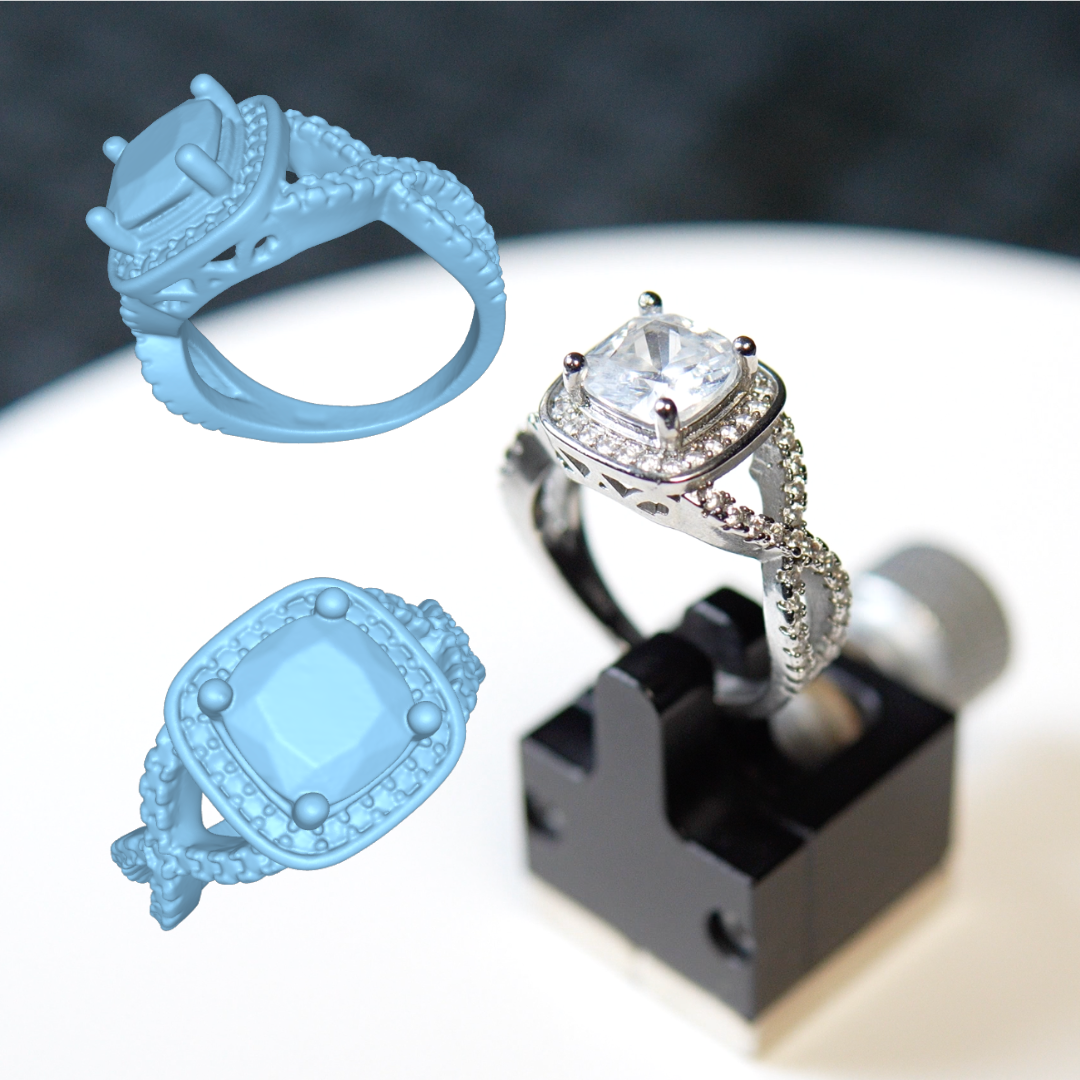
When small deviations become expensive problems later
In jewelry manufacturing, even subtle dimensional changes can affect fit, finish, stone seating, symmetry, and final presentation. Quality control becomes especially important when comparing cast parts, prototypes, or finished pieces against the original digital design.
eLUXE3D brings micron-level scanning precision into that process, making it possible to capture physical pieces in high detail and compare them against their intended geometry. Instead of relying only on visual checks or limited spot measurements, teams can review the full surface and overall form with greater clarity and consistency.
What quality control scanning helps you detect
Use high-resolution scan data to evaluate where production parts differ from the intended digital master.
Shrinkage
Identify dimensional changes between the original digital design and the final cast piece before they affect downstream work.
Warping
Spot distortion in areas where symmetry, alignment, fit, or stone placement needs to remain exact.
Surface Defects
Inspect fine surface conditions that may affect finishing, client presentation, or the next stage of production.
Dimensional Deviation
Verify whether critical geometries still reflect the intended design before the piece moves forward.
A more exact way to check production quality
eLUXE3D fits naturally into workflows where physical jewelry pieces need to be evaluated against their digital references.
Scan the produced piece
Capture detailed geometry from the physical part with a workflow designed for jewelry-level precision.
Reference the digital master
Use the original CAD or approved digital model as the benchmark for evaluation.
Compare form and detail
Review geometry, proportions, and surface conditions to identify where the physical part has changed.
Catch issues earlier
Detect problems before they affect finishing, setting, assembly, delivery, or client approval.
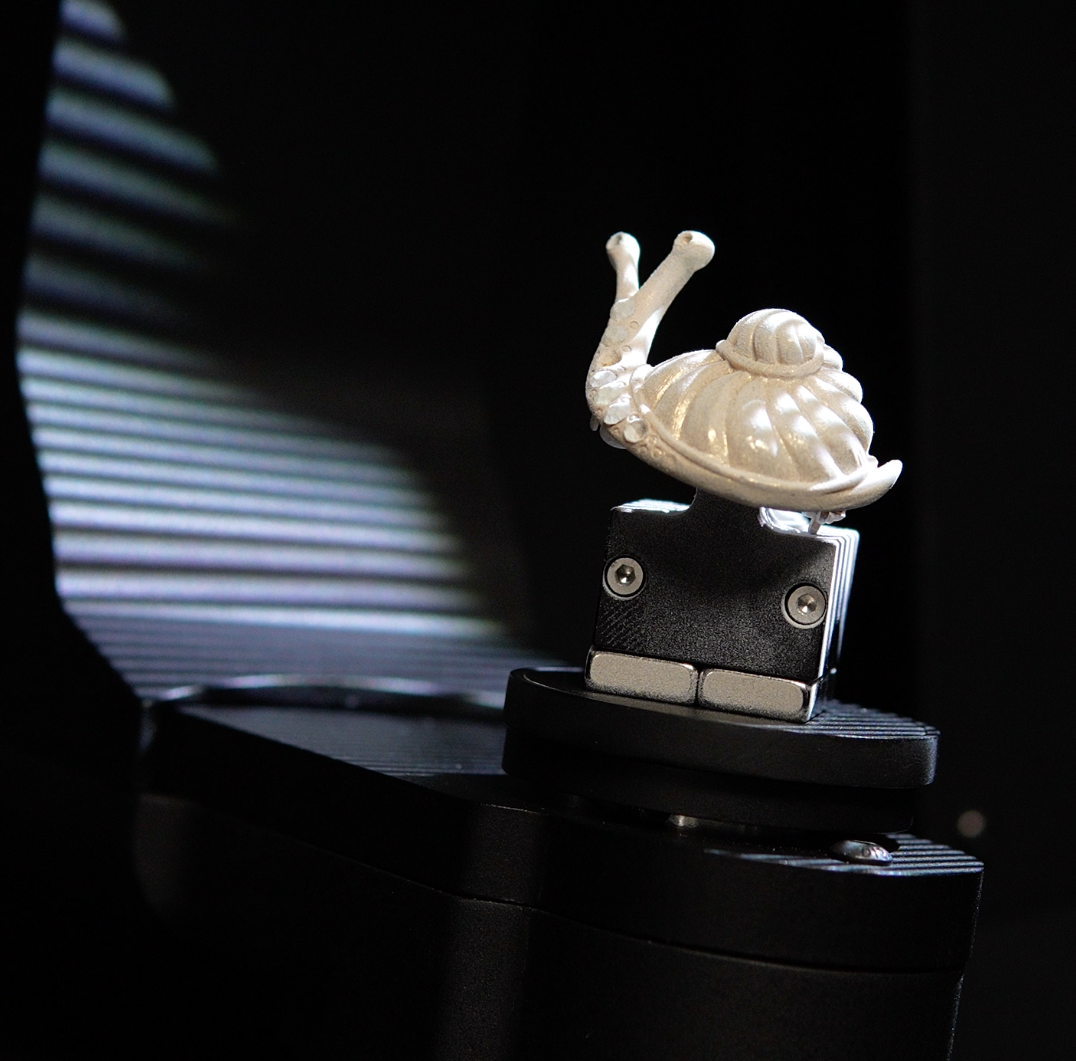
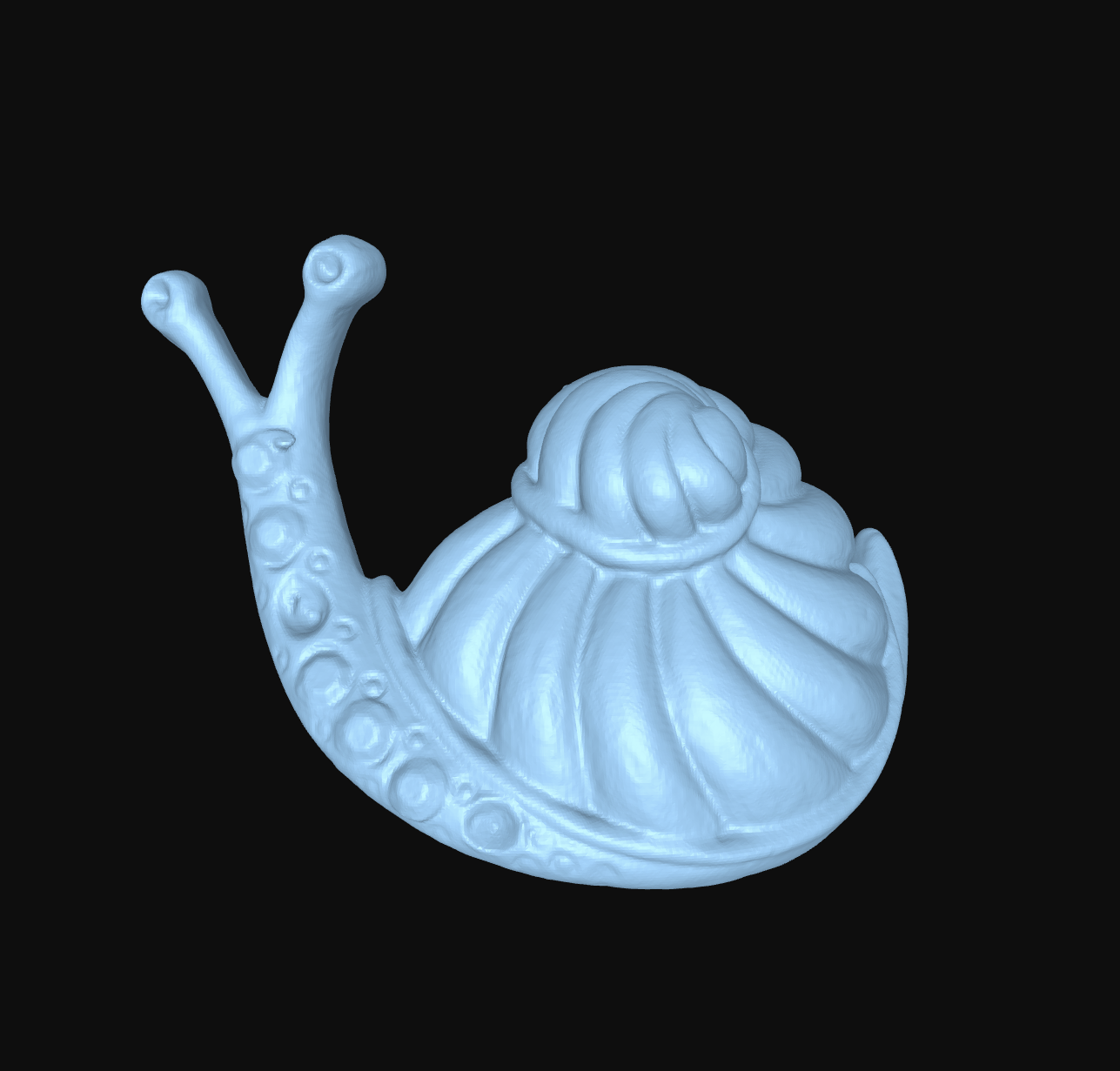
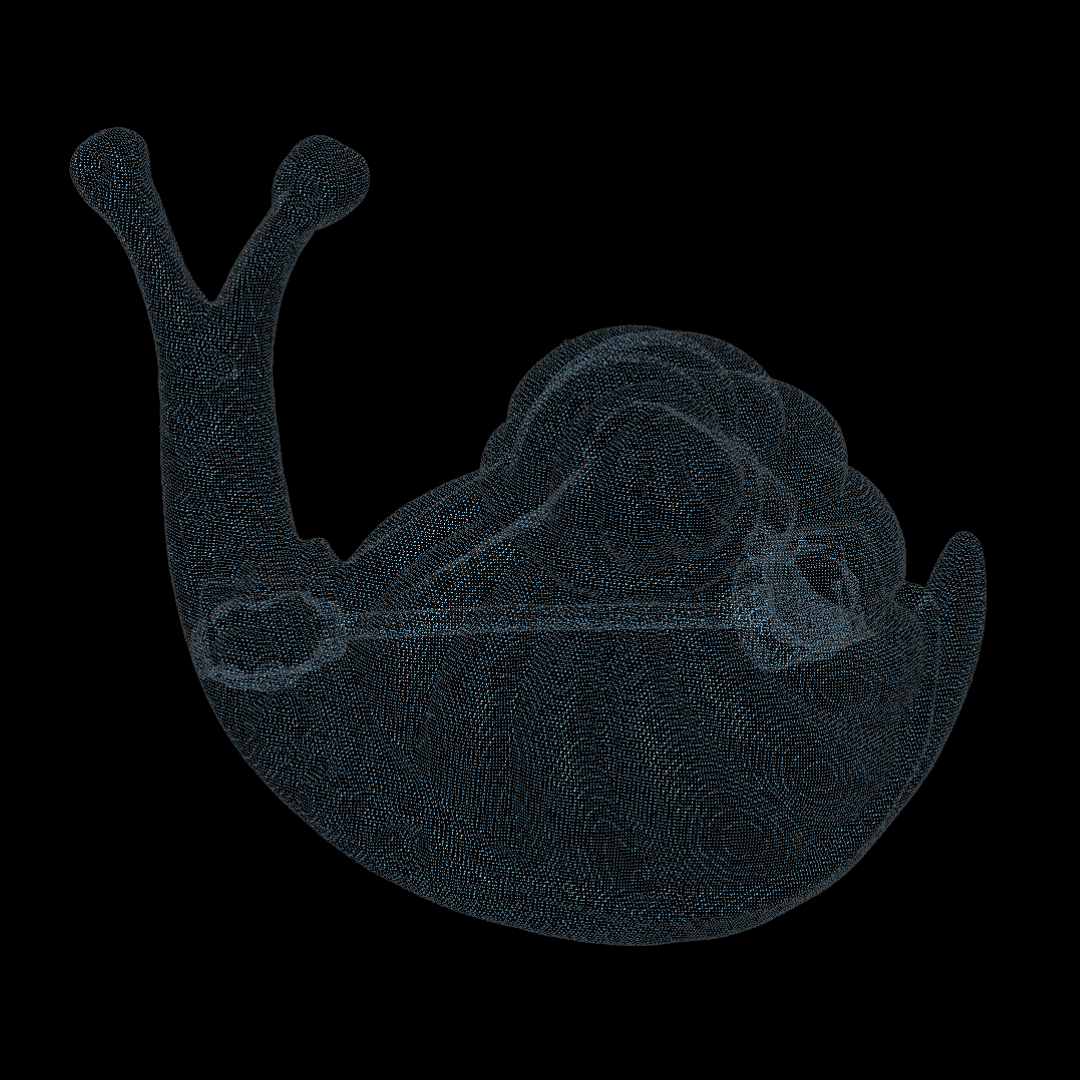
Ideal use cases for quality control scanning
Especially useful when precision affects the next stage of design, casting, setting, or finishing.

Castings and prototypes
Compare early-stage parts against approved digital models before scaling production or approving revisions.
Custom bridal production
Support tighter quality review on rings and companion pieces where fit, contour, and finish need to remain exact.
Stone-setting verification
Review areas where minor deviation can affect seat geometry, prong alignment, or final setting consistency.
High-detail restoration work
Inspect reproduced or repaired elements against reference geometry when preserving original detail matters.
Technical performance that supports serious production review
Quality control only matters if the scan data is precise enough to trust. eLUXE3D is built for detailed jewelry workflows, with scanner specifications designed for CAD-ready output and production environments.
See deviations earlier with a more complete review process
Traditional checks
- Often rely on visual inspection and selective manual measurement
- Can miss subtle form changes across the full surface of the piece
- Problems may not become obvious until setting, finishing, or client review
eLUXE3D workflow
- Captures the actual produced part in detailed digital form
- Supports full-form comparison against the original design intent
- Helps teams catch deviations before they create larger production issues
Bring more confidence to production review
See how eLUXE3D can support quality control workflows for castings, custom pieces, prototypes, and high-detail manufacturing environments.